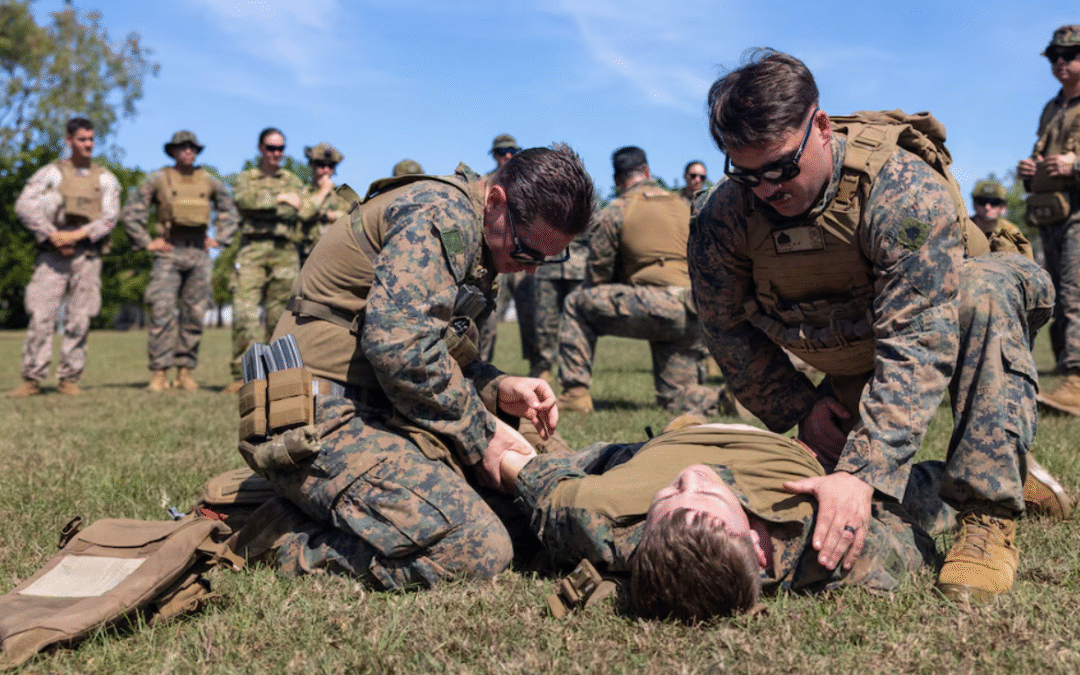

Service members and veterans often receive care across multiple facilities. Streamlined wound care systems help ensure that data travels with the patient—supporting continuity, whether in VA medical centers, military treatment facilities, or in community care settings.
Chronic and complex wounds pose a significant challenge for healthcare systems worldwide—but within the U.S. Department of Veterans Affairs (VA) and Department of Defense (DoD) healthcare systems, the stakes are even higher. Veterans and active-duty service members often face unique medical needs, including combat-related trauma, pressure injuries, diabetic ulcers, and post-surgical wounds. Effective wound care in these populations is not only critical for improving quality of life but also for reducing healthcare costs and preventing complications.
The Current Landscape
VA and DoD facilities provide care to millions of individuals annually. However, the delivery of wound care is often fragmented, reliant on manual documentation, and delayed by inconsistent follow-ups or a lack of specialized expertise at the point of care. These systemic inefficiencies lead to:
- Longer healing times
- Increased hospital readmissions
- Higher utilization of emergency and inpatient services
- Significant costs to the healthcare system
To address these challenges, streamlining wound care workflows is essential.
The Case for Streamlining: Why It Matters
- Improved Patient Outcomes
Timely and consistent wound assessment is key to healing. Digital wound care solutions that leverage AI, imaging, and clinical decision support can ensure earlier intervention, more accurate diagnoses, and better treatment plans—especially in facilities without dedicated wound care teams.
- Data-Driven Decision Making
Standardizing documentation and integrating with electronic health records (EHR) enables care teams to track wound progression over time, identify trends, and implement evidence-based interventions. For VA and DoD systems, this can also support enterprise-wide analytics and population health strategies.
- Increased Provider Efficiency
Nurses, physicians, and ancillary staff can save time by using mobile applications or telehealth platforms to document wounds with guided image capture and auto-generated notes. This reduces administrative burden and frees up more time for direct patient care.
- Better Continuity of Care
Service members and veterans often receive care across multiple facilities. Streamlined wound care systems help ensure that data travels with the patient—supporting continuity, whether in VA medical centers, military treatment facilities, or in community care settings.
Technology-Driven Solutions Making an Impact
Several innovative tools are already being adopted within federal health systems to support wound care modernization:
- AI-Powered Wound Imaging Platforms: These tools use smartphone or tablet cameras to measure and classify wounds, track healing rates, and integrate data into the EHR in real-time.
- Telewound Care Programs: Remote consultants and virtual wound assessments connect patients with wound care specialists, even in rural or underserved locations.
- Clinical Decision Support Systems (CDSS): These platforms offer real-time recommendations based on best practices, ensuring consistent, high-quality care across diverse providers.
Overcoming Barriers to Adoption
Despite the promise of these tools, several hurdles remain:
- Data Security & Compliance: Any technology deployed in VA or DoD settings must meet rigorous cybersecurity and HIPAA/FISMA standards.
- Training & Change Management: Successful implementation requires user-friendly platforms and robust training to encourage adoption among frontline staff.
- Integration with Legacy Systems: Many federal facilities still operate on older EHR systems; integration requires careful planning to avoid disruption.
Moving Forward: A Unified Approach
Streamlining wound care for veterans and service members will take a collaborative approach between healthcare leaders, clinical teams, policymakers, and technology partners. It means aligning on shared goals: faster healing, fewer complications, and a higher standard of care for those who have served our country.
By embracing modern tools, standardizing care protocols, and leveraging data intelligently, the VA and DoD can not only transform wound care but set a model for other healthcare systems across the nation.
At the end of the day, streamlining wound care isn’t just about efficiency—it’s about honoring our commitment to those who have worn the uniform by ensuring they receive the best possible care, when and where they need it most.
Sign Up For Our Newsletter
(336) 907-8990
Contact
The DaVinci Company
Today